My Career Story
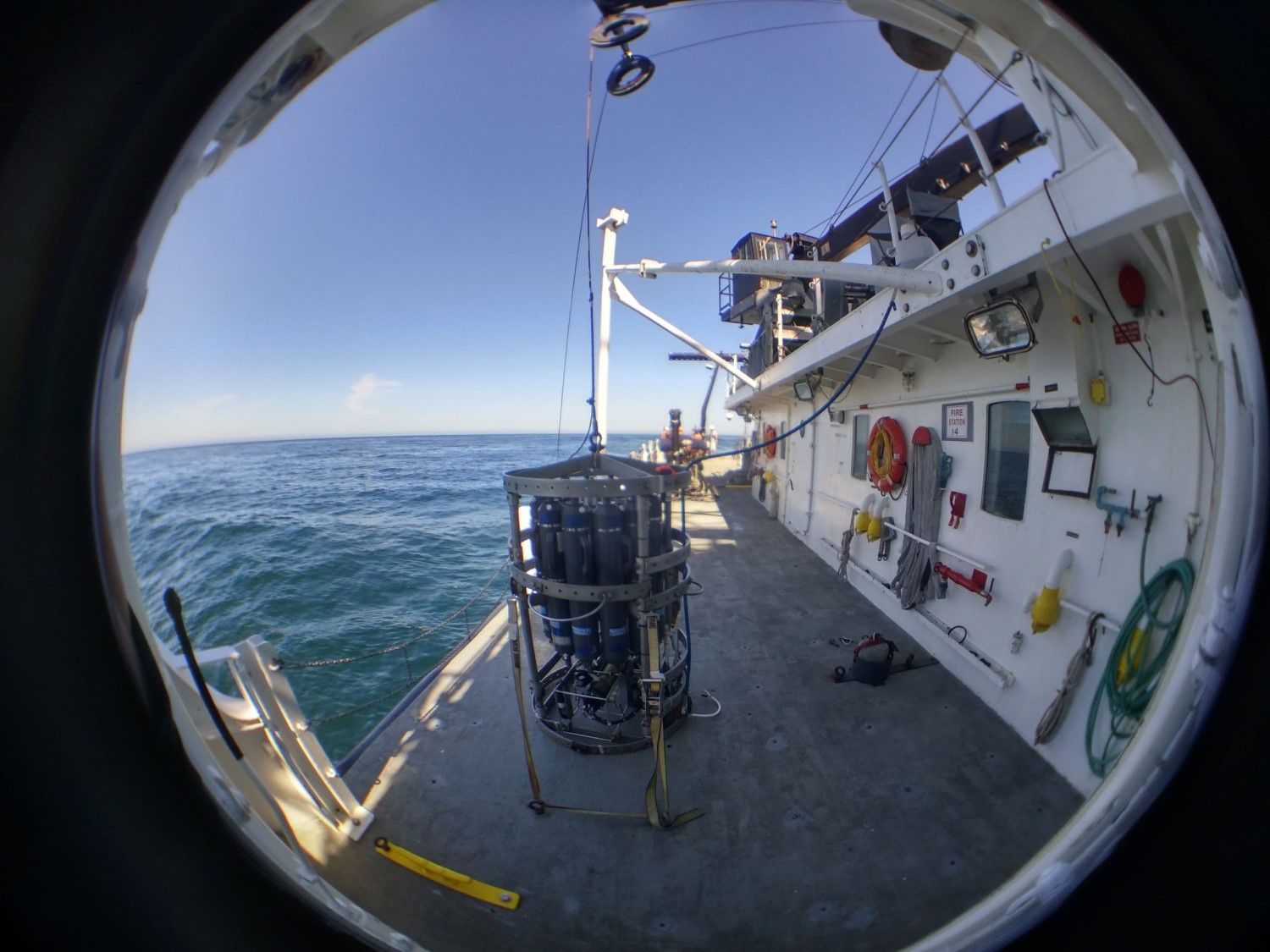
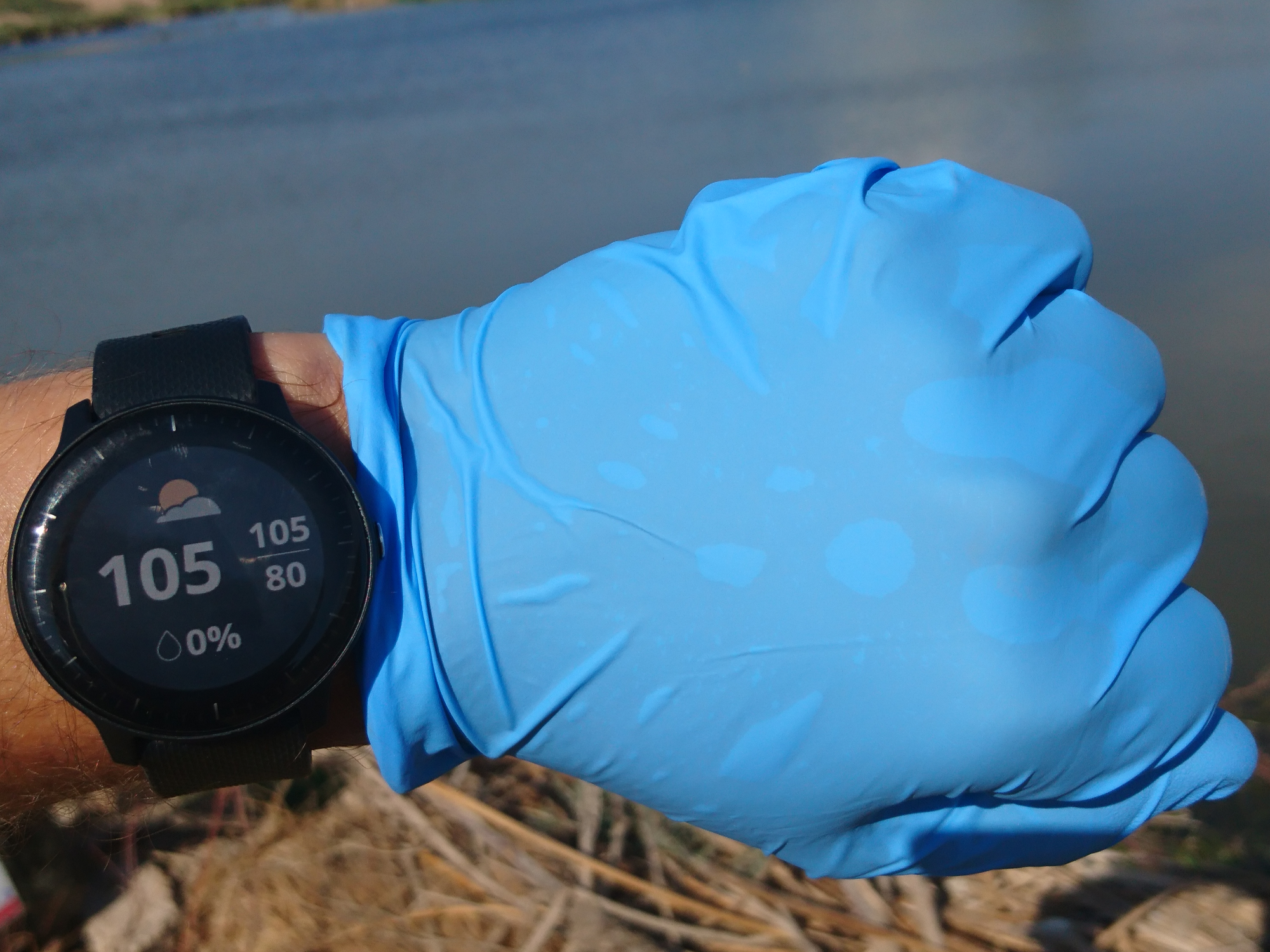
Since I was young, I held a profound aspiration to become a marine biologist and help protect the environment, yet I never truly understood how my career path would unfold. As a research scientist I’m committed to collecting meaningful and accurate data. Often requiring long hours in extreme environments my dedication to science has taken me on the Pacific Ocean for weeks at a time and deep into the Mojave Desert in the hottest months of the year.
I began my career within the confines of a laboratory, primarily focusing on handling samples related to environmental water chemistry. I was processing all the water, sediment, and biological tissue(fish, mussels, plant material, etc.) brought into the laboratory. Each sample required careful cataloging and meticulous preparation for analysis. It was through this work that I swiftly discovered the importance of my attention to detail and technical skills. I gained a massive amount of wet chemistry experience using micropipettes and creating chemical solutions. I used many strong acids including nitric acid, hydrochloric acid, and on rare occasions hydrofluoric acid. I appreciated the experience I gained in the lab but I wanted to see the other side.
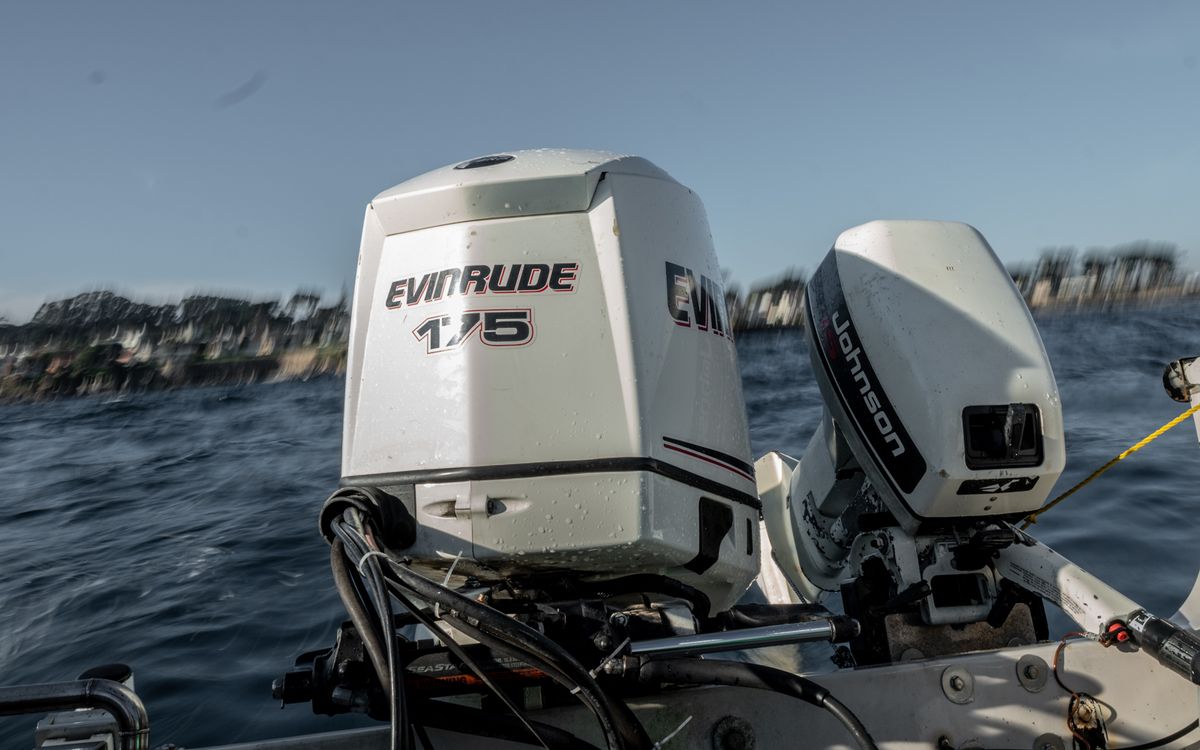
Soon I was given the opportunity to gain experience in the environment collecting the samples in the field. At the time I didn't have much experience operating boats but have since amassed hundreds of hours at the helm. I now manage, maintain, and operate a fleet of small research vessels(14-25ft in length) including high voltage electrofishing vessels. These specialized vessels allow scientists to send an electrical charge into the surrounding water to temporarily stun any fish in the area. This gives scientists the opportunity to collect the desired species and sizes of fish with much greater efficiency than other collection methods. Done correctly this operation doesn't harm the fish and it's absolutely fascinating observing the fish populations in a given environment. It also just feels extremely...scientific.
Working with a diverse group of collaborators I’ve become an expert in water quality data collection, laboratory analysis, and scientific writing. I spend approximately 40% of my year planning, coordinating, and developing environmental projects across the state of California. The rest of my time is spent in the environment leading teams of 2 – 4 scientists conducting habitat assessments and environmental sample collection throughout the state. Collecting these samples and providing integral data-driven perspectives to decision makers has fulfilled my childhood dream of helping protect the environment.